
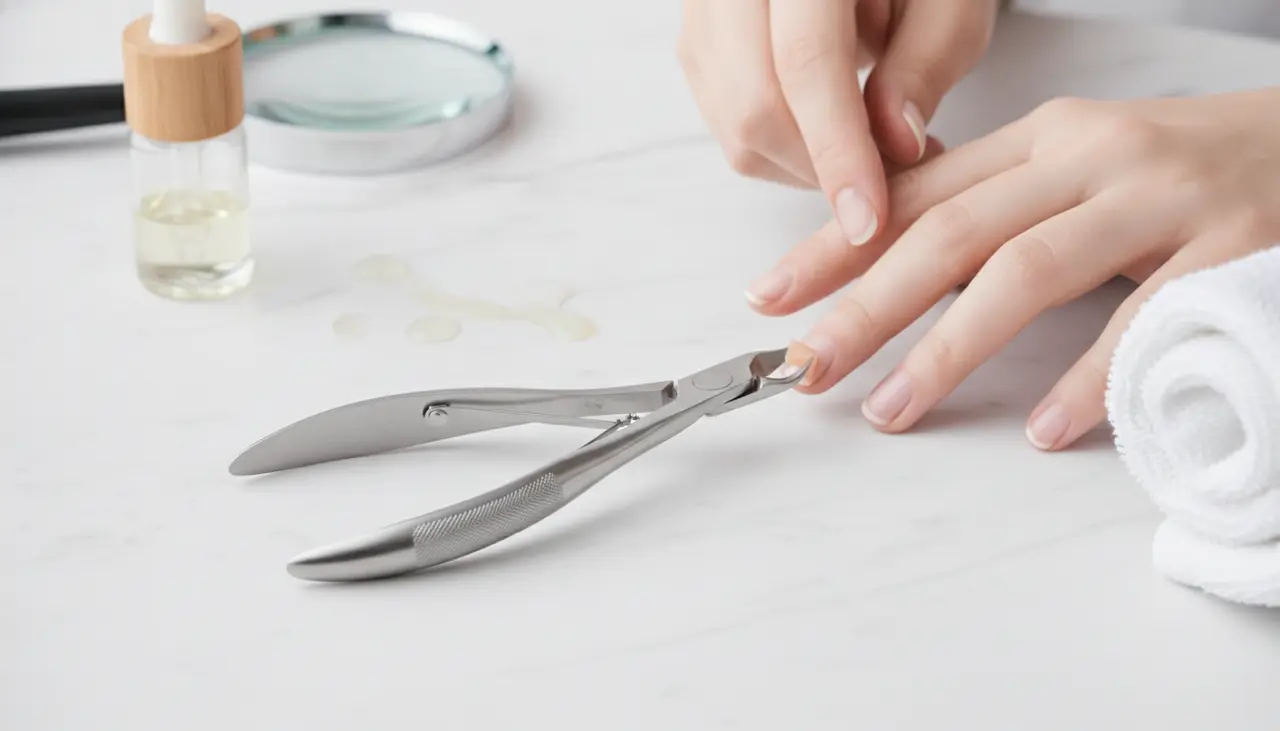
Professional Cuticle Nippers: What to Look For to Get Salon Results at Home
Disclosure: This post contains affiliate links. If you make a purchase through these links, we may earn a small commission at no extra cost to you.
We’ve all been there: you finally find ten minutes of peace after the kids are in bed or a long shift has ended, and you decide it’s time to tackle that DIY pedicure. You reach for a pair of old, dull nippers, and instead of a clean trim, you end up with a painful "hangnail" or a nick that stings for days.
Finding the best cuticle nippers isn't just about aesthetics; it’s about safety and efficiency. When you are working with limited time, you need tools that work correctly the first time. In this guide, we’ll break down exactly what to look for in a professional-grade tool so you can maintain your foot health with confidence.
The Quick Answer: What Makes a Cuticle Nipper "Professional"?
The best cuticle nippers are defined by three main factors: material, blade alignment, and tension. Look for high-quality surgical-grade stainless steel that can be sanitized repeatedly without rusting. Professional nippers feature hand-filed blades that meet perfectly at the tip with no light showing through when closed. For most home users, a half-jaw (size 12 to 14) with a double-spring tension system offers the best balance of precision and control to prevent accidental nicks.
Who This Guide Is For
This guide is for the busy adult who values "me-time" but doesn't have hours to spend at a salon. If you’ve ever felt intimidated by professional-looking tools or frustrated by cheap pharmacy-brand nippers that pull rather than cut, you’re in the right place. We’re focusing on ergonomics and sharpness because, as any parent knows, a slip-up with a sharp tool is the last thing you need when you're trying to relax.
Professional Cuticle Nipper Comparison
When shopping for your toolkit, keep these specifications in mind to ensure you are getting a tool that lasts years, not months.
| Feature | Beginner/General Use | Precision/Detail Work | Heavy-Duty Maintenance |
|---|---|---|---|
| Jaw Size | 1/2 Jaw (approx. 5mm) | 1/4 Jaw (approx. 3mm) | Full Jaw (approx. 7mm) |
| Material | Stainless Steel | Cobalt or High-Carbon Steel | Surgical Stainless Steel |
| Tension | Double Spring | Single Spring | Double Spring |
| Handle Grip | Standard | Ergonomic/Contoured | Long-Reach |
Key Features to Look For
1. The Material: Why Stainless Steel Wins
In the world of home pedicures, moisture is everywhere—from your foot soak to your 15-minute pedicure routine. Cheaper tools are often made of nickel-plated steel, which can flake or rust. Always opt for medical-grade stainless steel. It’s durable, stays sharp longer, and can be safely cleaned with isopropyl alcohol after every use.
2. Jaw Size: Finding Your Comfort Zone
The "jaw" refers to the length of the cutting blade.
- 1/4 Jaw: Best for very small, tight corners. Requires more "snips" to finish a toe.
- 1/2 Jaw: The "Goldilocks" of sizes. It offers enough precision for corners but covers enough ground to make the process quick.
- Full Jaw: Best for those with steady hands who want to remove a larger area of dead skin in one go.
3. Blade Alignment and Sharpness
A professional nipper should never "pull" or "tug" the skin. When you hold the tool up to the light and close it gently, the blades should meet perfectly from the tip to the back. If there is a gap at the tip, the tool will tear your skin, leading to painful irritation.
4. Ergonomics and Tension
If you have smaller hands or struggle with hand fatigue, the tension system matters.
- Double Spring: Provides a smoother, more "bounce-back" feel. It requires less effort to open the tool back up, giving you more control.
- Single Spring: Often found on more affordable models; it’s functional but can sometimes feel "stiff" or slip out of place.
Best For: Specific Use Cases
- Best for Beginners: A 1/2 Jaw Stainless Steel Nipper with a Double Spring. This setup is forgiving and easy to maneuver around the curves of the toenails.
- Best for Thick Cuticles: A Full Jaw nipper with longer handles. The extra leverage makes it easier to manage tougher skin around the heels and toes.
- Best for Travel: A 1/4 Jaw nipper with a protective blade cap. It’s compact and allows for quick "spot checks" between full pedicures.
Common Beginner Mistakes to Avoid
- Cutting "Live" Tissue: Only ever trim the translucent, dead skin that has lifted. If it’s pink or hurts to touch, leave it alone!
- Pulling the Skin: If the nipper doesn't cut through cleanly, don't pull. Re-position the tool and snip again. Pulling creates those jagged edges that eventually turn into painful hangnails.
- Using Dull Tools: As soon as you feel your nippers "chewing" rather than "clipping," it’s time for a professional sharpening or a replacement.
- Skipping Aftercare: Once you've finished your trim, always follow up with a high-quality cream. For those struggling with dry skin, using overnight moisturizing socks can help keep the cuticle area soft and reduce the need for frequent nipping.
Safe Cuticle Maintenance Checklist
Before you start snipping, follow these steps to ensure a safe, salon-quality result:
- [ ] Sanitize: Wipe the blades with 70% isopropyl alcohol.
- [ ] Soak: Soften the skin for 5-10 minutes in warm water (or right after a shower).
- [ ] Push Back: Use a pusher to gently lift the dead cuticle from the nail plate.
- [ ] Snip Only What's Necessary: Focus only on the bits that are sticking up or trailing.
- [ ] Disinfect Again: Clean your tools before putting them away.
FAQ: Professional Cuticle Nippers
How often should I replace my cuticle nippers? If you buy high-quality stainless steel, they can last for years. However, they may need sharpening every 6–12 months depending on how often you use them. If they drop on a hard floor, the alignment usually breaks, and they should be replaced.
Can I use the same nippers for my fingernails and toenails? Technically, yes, as long as you sanitize them thoroughly between uses. However, many people prefer a slightly larger jaw size for toenails and a smaller, more precise jaw for fingernails.
What is the difference between a cuticle nipper and a nail clipper? A nail clipper is designed to cut the hard nail plate. A cuticle nipper is a precision tool designed only for the thin, dead skin around the nail. Using a nipper to cut nails will dull the blades instantly.
Is it better to use a liquid cuticle remover or nippers? For a quick routine, a liquid remover is great for dissolving very thin debris. However, for thicker, overgrown cuticles common on feet, a professional nipper is usually necessary for a clean, professional look.